
How Much Is My Pokemon Card Worth? Complete Value Guide 2026
Find out how much your Pokemon cards are worth in 2026. Complete value guide covers pricing factors, condition grading, market trends & best price checking tools.
Quick answer
Table of Contents
Key takeaways
- The 5 Factors That Determine Pokemon Card Value
- 1. Rarity and Print Run
- 2. Card Condition
Found an old binder of Pokemon cards in your closet? Maybe you just pulled something shiny from a booster pack and want to know if you hit the jackpot? You're not alone - "how much is my Pokemon card worth?" is one of the most searched questions in the entire TCG community.
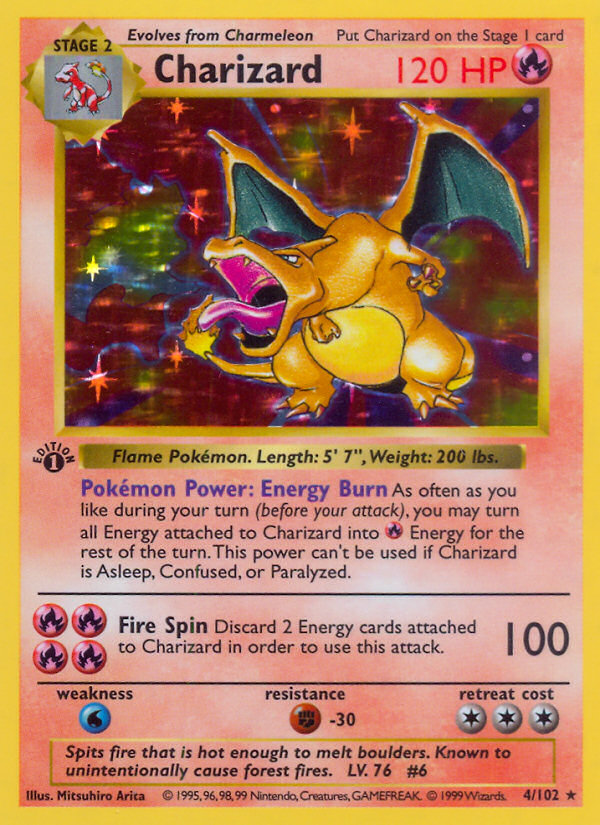
The truth is, Pokemon card values range from a few cents to hundreds of thousands of dollars. That Base Set Charizard your cousin swore was worth a fortune? It might actually be - or it might be a reprint worth $5. The difference comes down to a few key factors that every collector needs to understand.
In this guide, I'll walk you through exactly how to figure out what your cards are worth, what drives those prices up or down, and the tools you can use to track your collection's value over time.
The 5 Factors That Determine Pokemon Card Value
Before you start looking up prices, you need to understand what makes one card worth $0.10 and another worth $10,000. It comes down to five core factors that work together to determine market value.
1. Rarity and Print Run
This is the most obvious factor, but it's more nuanced than you might think. A card's rarity symbol (circle for common, diamond for uncommon, star for rare) gives you a starting point, but the real story is in the print run. Base Set 1st Edition cards were printed in much smaller quantities than Unlimited editions, which is why a 1st Edition Charizard sells for 50-100x more than its Unlimited counterpart.
Modern sets have introduced even more rarity tiers. Secret rares, alternate arts, and special illustration rares each have different pull rates. An alternate art card might appear in roughly 1 out of every 200-400 packs, making them genuinely scarce. The Pokemon Company has gotten more sophisticated about creating collectible tiers while keeping the game accessible.
Quick rarity value guide:
- Common (●): $0.05 - $1
- Uncommon (◆): $0.10 - $3
- Rare Holo (★): $1 - $25
- Ultra Rare / ex: $3 - $80
- Full Art: $5 - $150
- Alternate Art: $15 - $500+
- Secret Rare: $10 - $300+
- Vintage 1st Edition Holos: $50 - $100,000+
2. Card Condition
Condition can make or break a card's value. A mint condition Base Set Charizard might be worth $400, while the same card with a crease down the middle drops to $50. For high-value vintage cards, the difference between "Near Mint" and "Lightly Played" can be thousands of dollars.
The standard condition grades used by the community are:
- Mint (M): Perfect card, no visible flaws under close inspection
- Near Mint (NM): Minor imperfections only visible under close inspection
- Lightly Played (LP): Small scuffs, light whitening on edges
- Moderately Played (MP): Noticeable wear, minor creases, edge wear
- Heavily Played (HP): Significant wear, creases, major whitening
- Damaged (D): Major damage - tears, water damage, heavy creases
For a deeper dive into how condition affects pricing, check out our Pokemon Card Condition Guide.
3. Pokemon Popularity
Not all Pokemon are created equal in the marketplace. Charizard cards consistently command premium prices regardless of set or rarity. Pikachu, Mewtwo, Umbreon, and the original 151 Pokemon all carry a nostalgia premium that newer Pokemon simply can't match.
This "popularity tax" is real and measurable. A Charizard ex from a modern set might be worth $30-50, while a comparable Houndoom ex from the same set sits at $5-10. Same rarity, same power level, vastly different prices. The market reflects emotional attachment as much as game utility.
The most consistently valuable Pokemon for collectors:
- Charizard - The undisputed king of Pokemon card values
- Pikachu - Pokemon's mascot always holds premium value
- Mewtwo - Legendary status drives consistent demand
- Umbreon - Dark-type favorite with massive collector following
- Lugia - Especially vintage cards from Neo Genesis
- Rayquaza - Dragon-type powerhouse with collector appeal
4. Age and Edition
Older cards are generally worth more, but it's not a simple linear relationship. The key breakpoints are:
- Base Set 1st Edition (1999): The holy grail era. Even common cards from this print run sell for $10-50+
- Base Set Unlimited (1999-2000): Still valuable, but 5-20x less than 1st Edition
- WOTC Era (1999-2003): Cards from Wizards of the Coast era carry nostalgia premium
- Ex Era (2003-2007): Growing in value as collectors who grew up with these hit earning age
- Modern (2020+): Value driven mainly by playability and chase card status
The "edition" matters enormously for vintage cards. Look for the 1st Edition stamp (a small "1" in a circle on the left side of the card). Shadowless Base Set cards (which lack the shadow border around the artwork box) are also worth significantly more than standard Unlimited prints.
5. Competitive Playability
Cards that see play in the current competitive meta hold value beyond their collectibility. A card that's both rare AND competitively dominant can reach astronomical prices. When a new set releases a card that reshapes the meta, its price can spike overnight.
However, competitive value is temporary. When cards rotate out of Standard format, their prices typically drop unless they have collector appeal. This is why Charizard cards hold value even when they're not competitively viable - the collector demand provides a price floor.
How to Check Your Card's Value: Step-by-Step
Now that you understand what drives value, let's actually look up what your cards are worth. Here's my recommended process:
Step 1: Identify Your Card Exactly
This is where most people make mistakes. You need to identify:
- The exact card name and number (e.g., "Charizard 4/102")
- The set it belongs to (Base Set, Jungle, Fossil, etc.)
- The edition (1st Edition, Unlimited, Shadowless)
- Whether it's a holo, reverse holo, or non-holo version
The card number and set symbol are in the bottom right corner. For older cards without clear set symbols, you may need to compare your card against a database.
Pro tip: The fastest way to identify a card is to scan it with MyDex TCG. The app recognizes your card instantly, identifies the exact set and variant, and shows you current market pricing - no manual lookup needed.
Step 2: Assess the Condition
Be honest with yourself here. Most cards that have been played with, stored in binders without sleeves, or kept in shoeboxes are Lightly Played at best. Only cards that were sleeved immediately after opening and stored properly will be Near Mint.
Hold the card at an angle under good lighting to check for:
- Surface scratches or scuffs
- Edge whitening (white spots along card edges)
- Corner wear or bending
- Centering (is the border even on all sides?)
- Any creases, dents, or indentations
Step 3: Research Current Market Prices
Market prices fluctuate constantly. A card worth $50 today might be $30 next month or $80 next month. Always check current prices, not outdated price guides.
The most reliable pricing sources:
- MyDex TCG Price Checker - Scan any card for instant pricing across multiple markets
- TCGPlayer - The largest marketplace for Pokemon cards with real-time market prices
- eBay Sold Listings - Shows what cards actually sold for (not just asking prices)
- PriceCharting - Good for tracking historical price trends
Important: Always check "sold" prices, not listing prices. Anyone can list a common Pikachu for $1,000, but that doesn't mean it's worth $1,000. Sold prices reflect what real buyers actually paid.
Step 4: Factor in Grading (Optional)
For cards worth $50+ in raw condition, professional grading might increase their value significantly. A PSA 10 (Gem Mint) grade typically multiplies a card's value by 2-10x compared to raw Near Mint. However, grading costs $20-150+ per card and takes weeks to months, so it only makes sense for genuinely valuable cards.
Popular grading companies:
- PSA (Professional Sports Authenticator) - Most recognized, highest premiums
- BGS (Beckett Grading Services) - Detailed sub-grades, growing collector respect
- CGC (Certified Guaranty Company) - Newer but gaining popularity quickly
What About That Old Binder in Your Closet?
Let's address the elephant in the room. You found your childhood Pokemon cards, and you want to know if you're sitting on a gold mine. Here's the realistic breakdown:
Cards that might actually be worth something:
- Any holographic card from Base Set, Jungle, or Fossil (1999-2000)
- 1st Edition cards from any WOTC era set
- Japanese exclusive cards from the late 1990s
- Promo cards from special events (especially sealed)
- Error cards or misprints
Cards that are probably worth $0.10-$2 each:
- Non-holo commons and uncommons from any set
- Unlimited print run regular rares
- Energy cards (unless very old or special)
- Heavily played or damaged cards
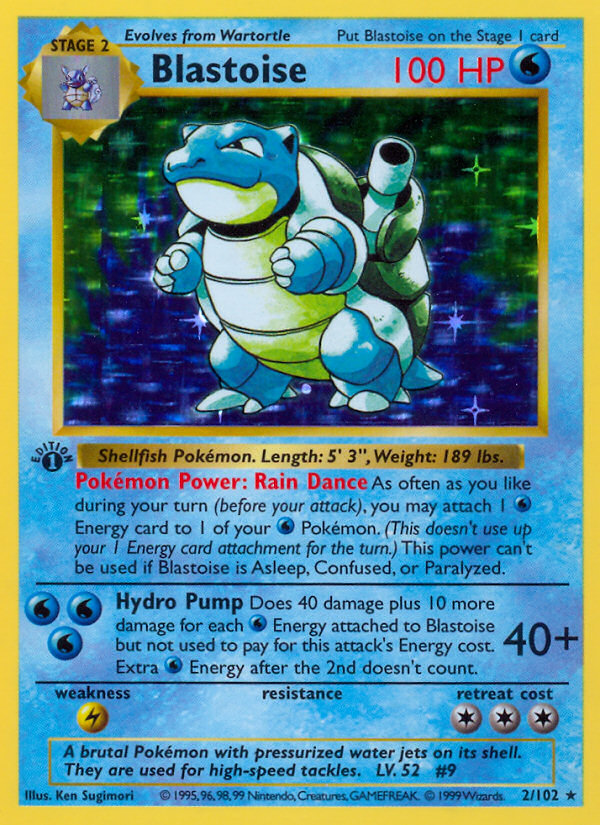
The hard truth: Most childhood Pokemon card collections are worth $20-100 total. The cards that are worth significant money are the exception, not the rule. But occasionally, people do find treasures - a clean 1st Edition holographic Charizard, a Shadowless Blastoise, or a rare promo card they got at a Toys R Us event 25 years ago.
The best approach is to scan your entire collection with MyDex TCG and let the app identify any hidden gems. It's much faster than looking up each card individually, and you might be surprised by what turns up.
Common Pricing Mistakes to Avoid
Mistake 1: Using Asking Prices Instead of Sold Prices
That eBay listing showing your card at $500 means nothing if nobody's buying. Always check completed/sold listings to see actual market value.
Mistake 2: Overestimating Condition
Your "mint" card that's been in a binder for 20 years is probably Lightly Played at best. Be honest about condition - it's the #1 factor in pricing disputes.
Mistake 3: Confusing Editions
Unlimited Base Set Charizard ($200-400) vs. 1st Edition Base Set Charizard ($5,000-100,000+). Same art, vastly different values. Always check for edition markings.
Mistake 4: Ignoring Market Trends
Pokemon card prices are not static. The 2020-2021 boom inflated prices that have since corrected. A card "worth" $200 during the peak might be $80 now. Always use current data.
Mistake 5: Paying for Unnecessary Grading
Sending a $10 card to PSA for $30 in grading fees doesn't make financial sense even if it gets a perfect 10. Only grade cards where the potential value increase justifies the cost.
Building a Valuable Collection Going Forward
If you're collecting with value in mind, here are strategies that have historically worked:
Buy what you love first. The collectors who made money on Pokemon cards did so because they genuinely loved the cards and held them for years. Treating cards purely as investments usually leads to disappointment.
Prioritize condition. Sleeve your cards immediately after opening. Use penny sleeves inside top loaders for valuable pulls. Store binders upright in a climate-controlled space. A $5 card in perfect condition today could be a $500 card in 20 years.
Focus on iconic Pokemon. Charizard, Pikachu, Mewtwo, Umbreon, and the original 151 have proven track records of holding value across decades. When in doubt, collect the characters people have emotional connections to.
Track your collection. You can't manage what you don't measure. Using an app like MyDex TCG to catalog your collection and monitor values means you'll always know what your cards are worth and can make informed decisions about buying, selling, or trading.
Understanding the Pokemon Card Market
The Pokemon card market has matured significantly since the 2020-2021 boom. Here's what the landscape looks like in 2026:
Vintage market (1999-2003): Prices have stabilized after the boom correction. High-grade vintage holos remain strong, while lower-condition cards have found more realistic price levels. 1st Edition continues to command massive premiums.
Modern market (2020+): Driven by new set releases and competitive play. Alternate arts and special illustration rares are the new chase cards. Prices are more volatile but more accessible for new collectors.
Sealed product: Unopened booster boxes and packs from older sets have become their own collectible category. A sealed Base Set booster box sold for over $400,000 at auction. Even modern sealed products appreciate once they go out of print.
The collecting community: Pokemon remains the most popular TCG globally, with a collector base that spans all ages. This broad, passionate community provides strong demand fundamentals that support card values long-term.
Your Next Steps
Ready to find out what your cards are worth? Here's your action plan:
- Download MyDex TCG and scan your collection to identify valuable cards instantly
- Use our Price Checker for quick lookups on specific cards
- Learn about card condition to accurately assess your cards
- Understand card rarities to know what to look for
- Read about price trends to time your buying and selling
Whether your collection is worth $20 or $20,000, knowing the real value of your cards puts you in control. Happy collecting!
Found something valuable in your collection? Share your best finds and let us know what surprised you most about your cards' values!
Methodology
Sources
Related Tools & Next Steps
Track the Cards You Research
The web is great for quick answers. The app is where you scan cards, track value, and manage the collection you actually own.
Download MyDex TCG